They Came With Nothing and Built Something
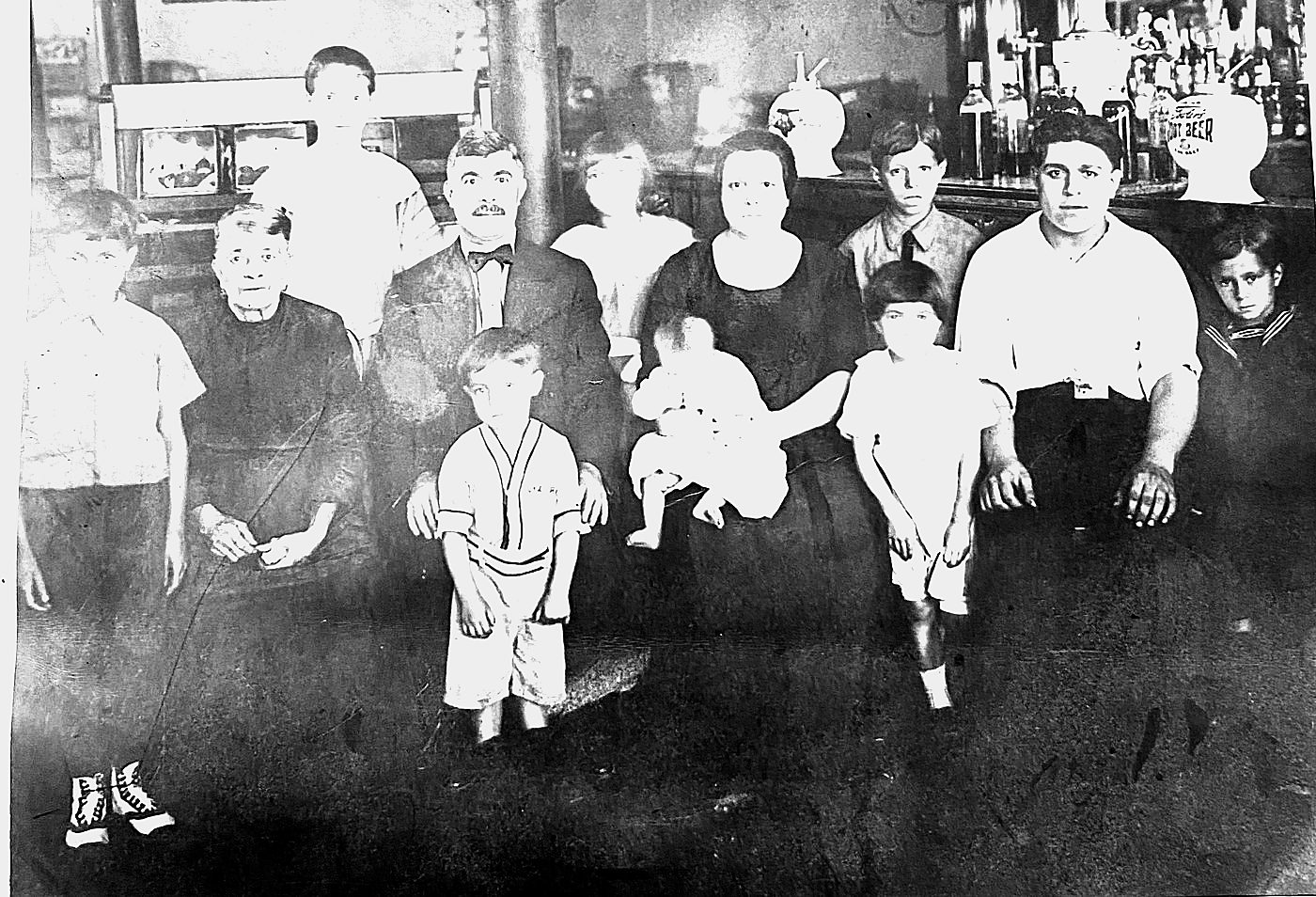
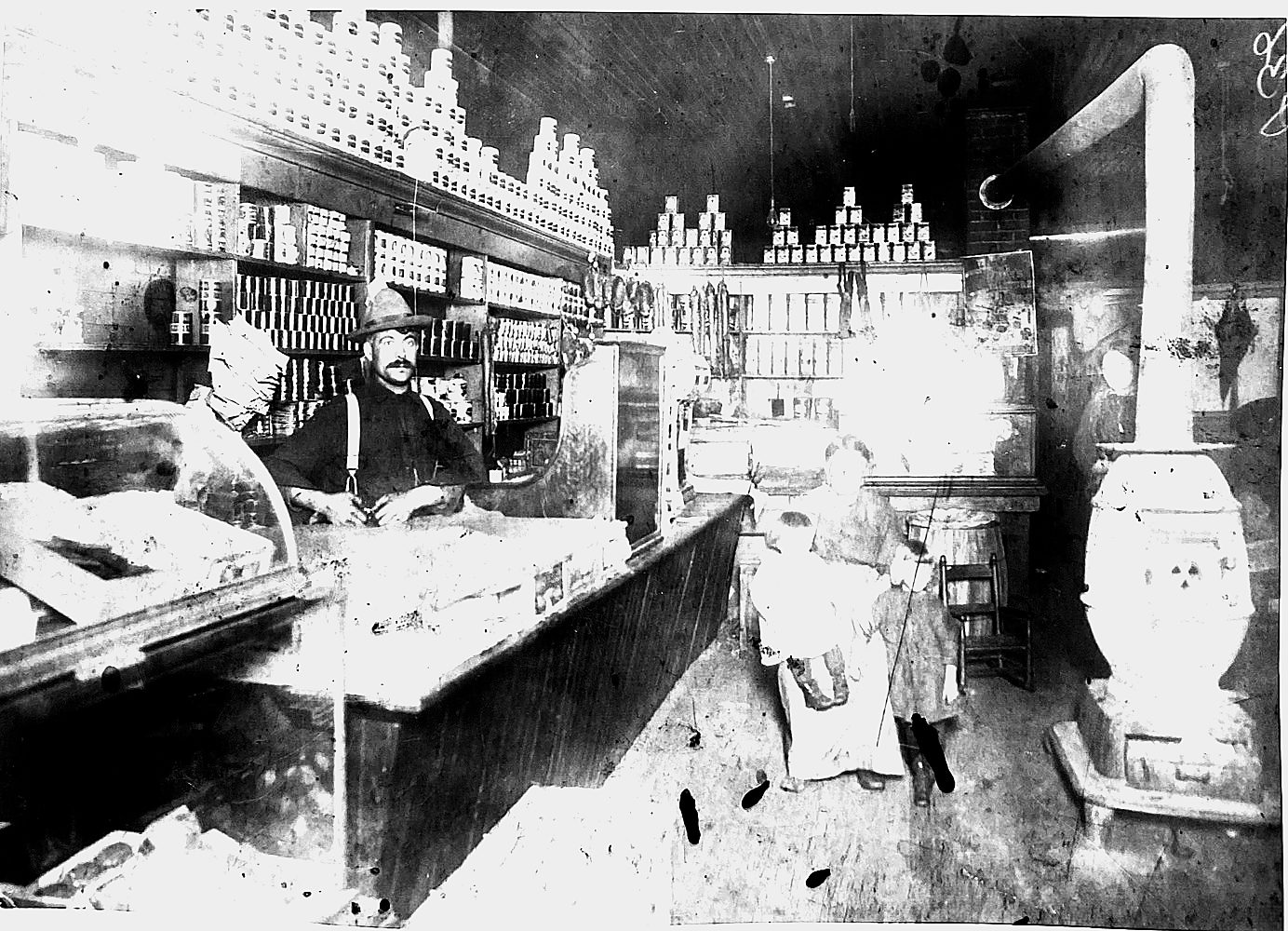
My great-grandparents arrived from Italy and settled in Pocahontas, Virginia — a coal-mining town in the mountains of West Virginia's border country. My great-grandfather worked the mines, ran a blacksmith shop, and owned the general store you see in these photos. Thirteen family members lived in a three-bedroom, one-bathroom house.
My grandfather Tony Lotito Sr. is the young man on the right — square jaw, big arms. He grew up in that store and on those streets, and went on to become a Hall of Fame football player at Emory & Henry College and a respected recreation director in Bluefield. That's what one generation of hard work looked like.
Shelves Full, House Full
This is the inside of that store — shelves stacked floor to ceiling, a potbelly stove in the corner, a family behind the counter making it work. There was no playbook for what they were doing. They just showed up every day and built something from scratch in a new country.
That spirit didn't leave the family. It just changed form.
Where the Football Started
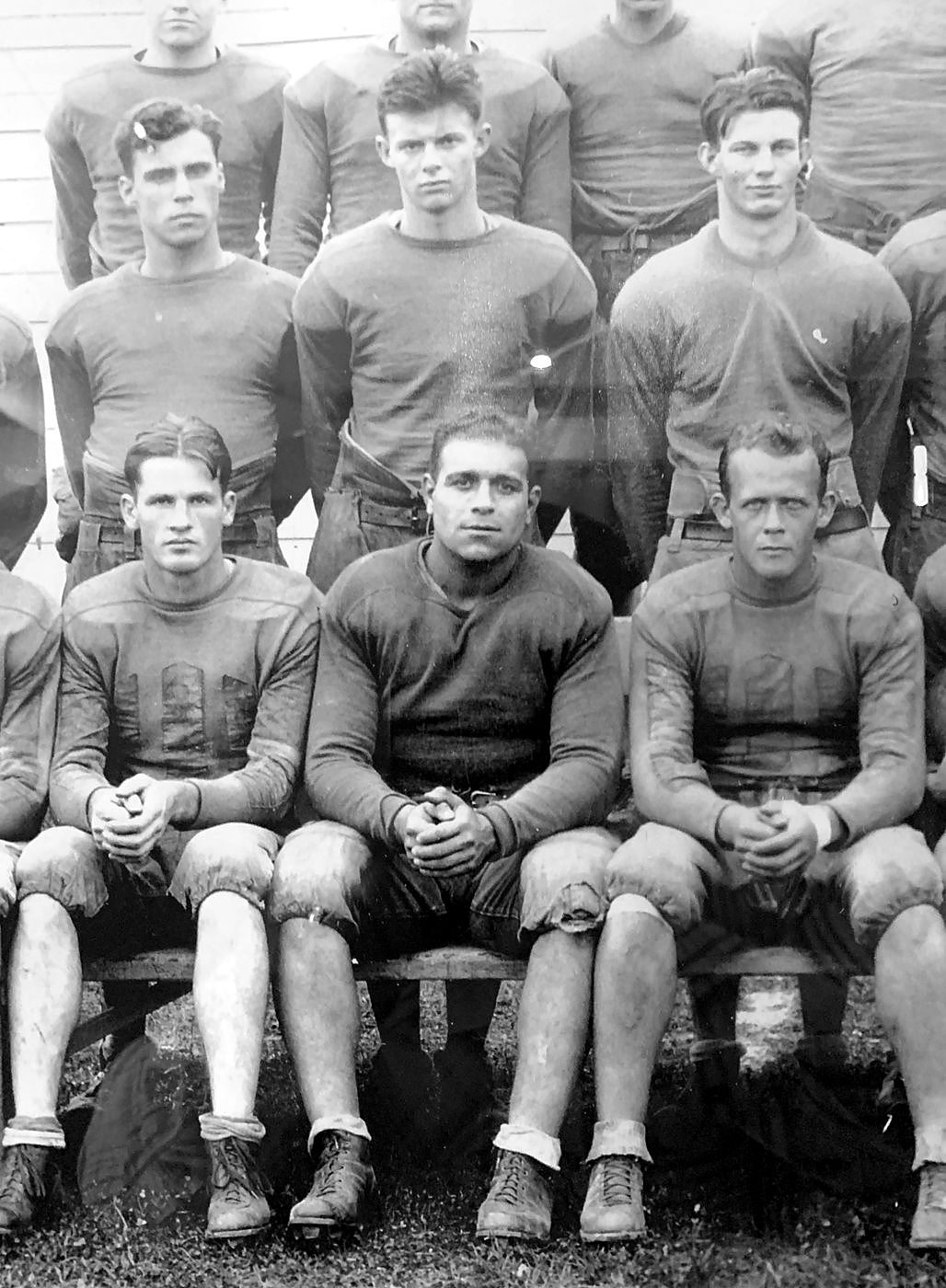
That's my grandfather, Tony Lotito Sr., front row center — the storekeeper's son from Pocahontas who made the team at Emory & Henry College. The 1928 squad went 10–0 with eight shutouts and was crowned Virginia State Champions.
He'd go on to the college's Hall of Fame, and to spend his life coaching the game. Every football in this story traces back to this bench.
Five Brothers Who Answered the Call
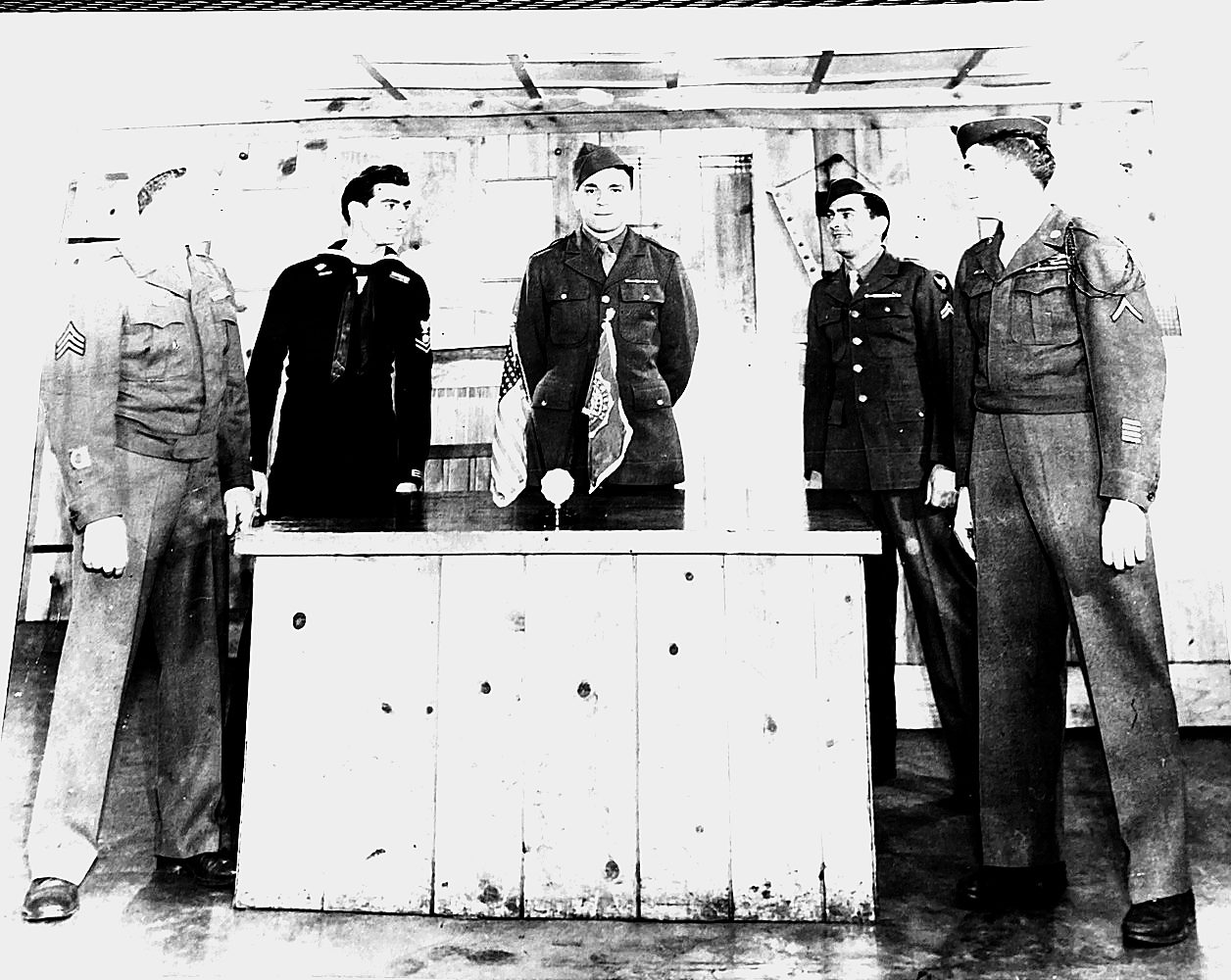
When the war came, the Lotito brothers went. All five of them. My grandfather Tony Sr. was too old to serve — otherwise he would have been in that photo too. This was a family that didn't look for a way out of hard things.
They came home. Not everyone did. That's something you carry.
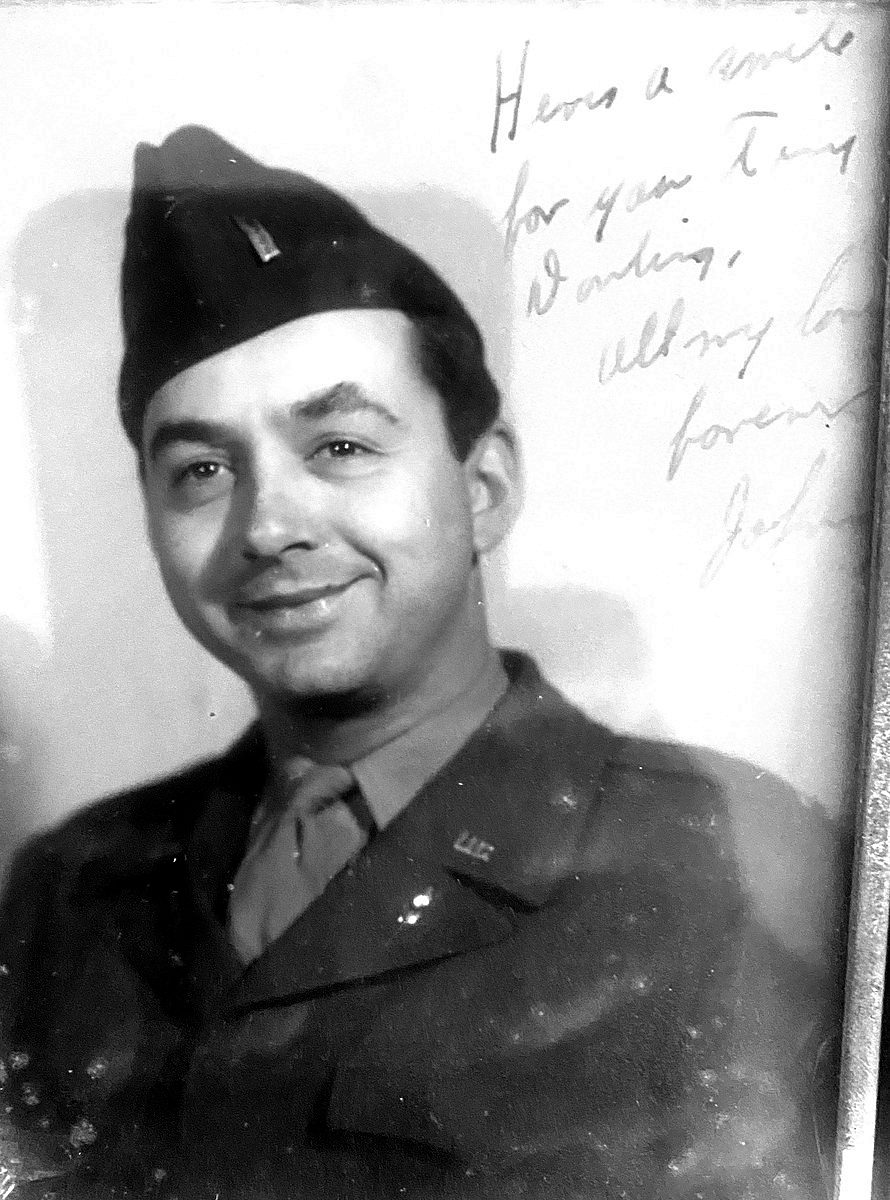
He Came Home
That's my grandfather on my mother's side — John Marcellus "Jack" Studebaker. He served in the Army Air Forces during World War II, commanding a unit as the Commanding Officer of the Ninth Air Force Service Command Unit in Germany. His unit received the Meritorious Service Unit Plaque, and he earned two Bronze Campaign Stars.
On the back of this photo, in his own handwriting, he wrote: "Here's a smile for you to my Darling, all my love forever, John." He sent it home to my grandmother while he was away.
He made it back. He came home, and he and my grandmother spent the last years of their lives together in that farmhouse in Mauldin, South Carolina — the same one my great-grandmother had passed down to her. Not every man who left came home. My grandfather did — and because he did, the rest of this story was possible.
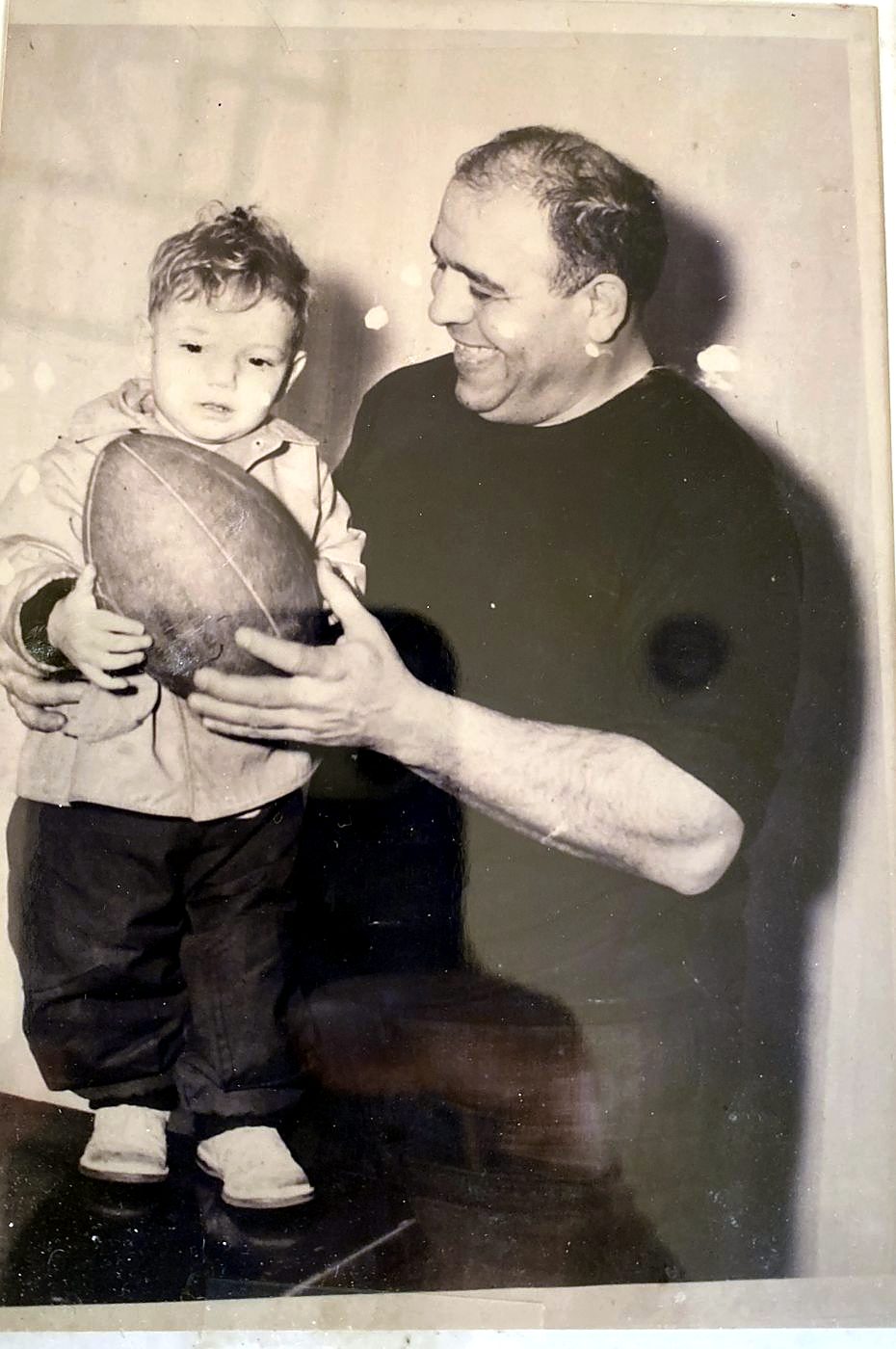
A Family Built on Two Things: Faith and Football
My grandfather arrived at Ellis Island as a boy with little more than a sign around his neck pointing him toward Pocahontas, Virginia. Tony Lotito Sr. grew up in that coal-mining town and became a standout player and Hall of Fame inductee at Emory & Henry College, later building a career as a respected football coach.
This photo is the next generation — my grandfather handing my father, Tony Jr., his first football. My dad went on to play at West Virginia University, coached at one point by Bobby Bowden. Three generations, one love of the game.
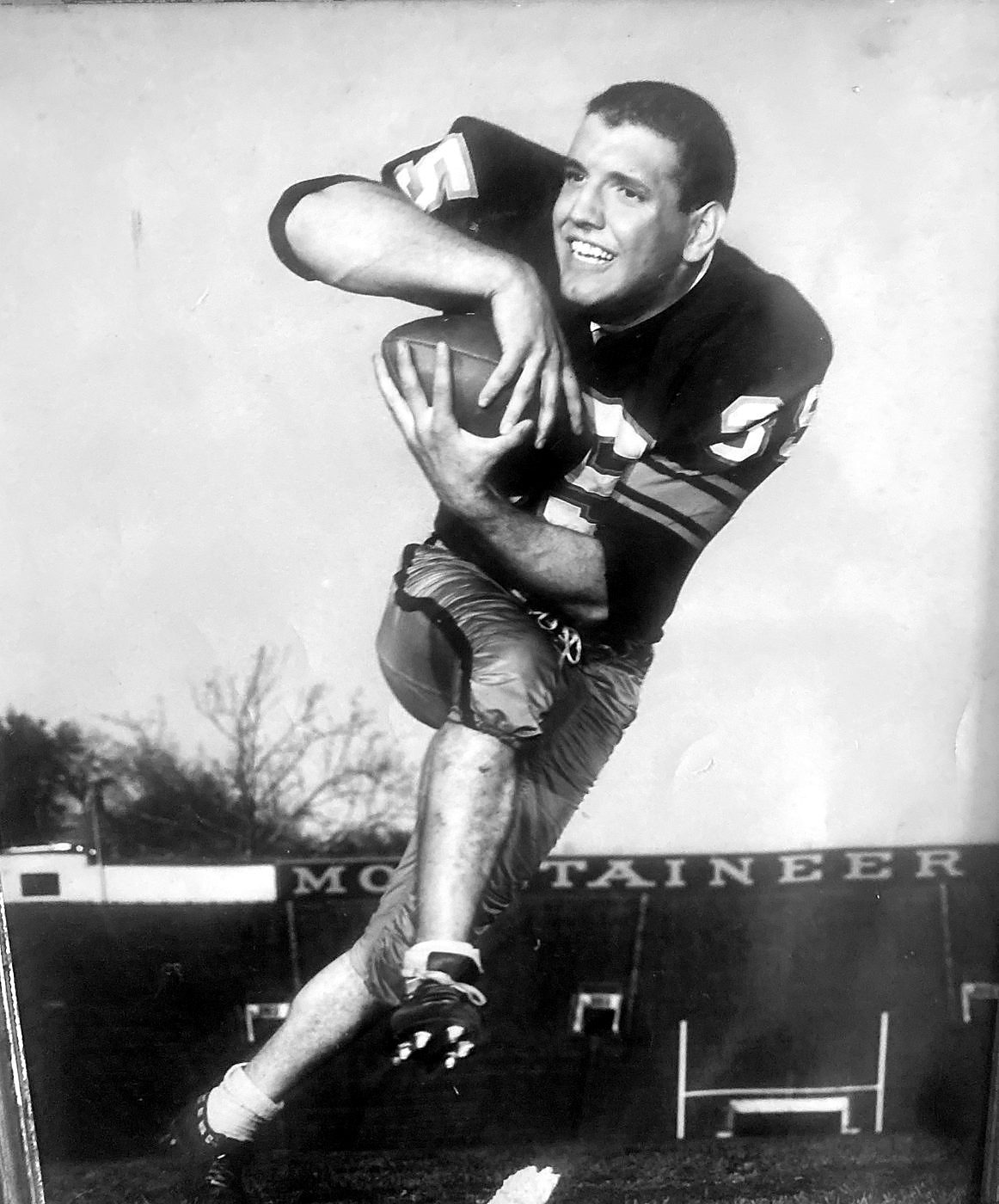
He Carried It Forward
That's my father in his playing days at West Virginia University. The football my grandfather handed him in the backyard didn't stay in the backyard.
That's how legacy works in our family. Somebody hands you something, and you're expected to carry it further than they could.
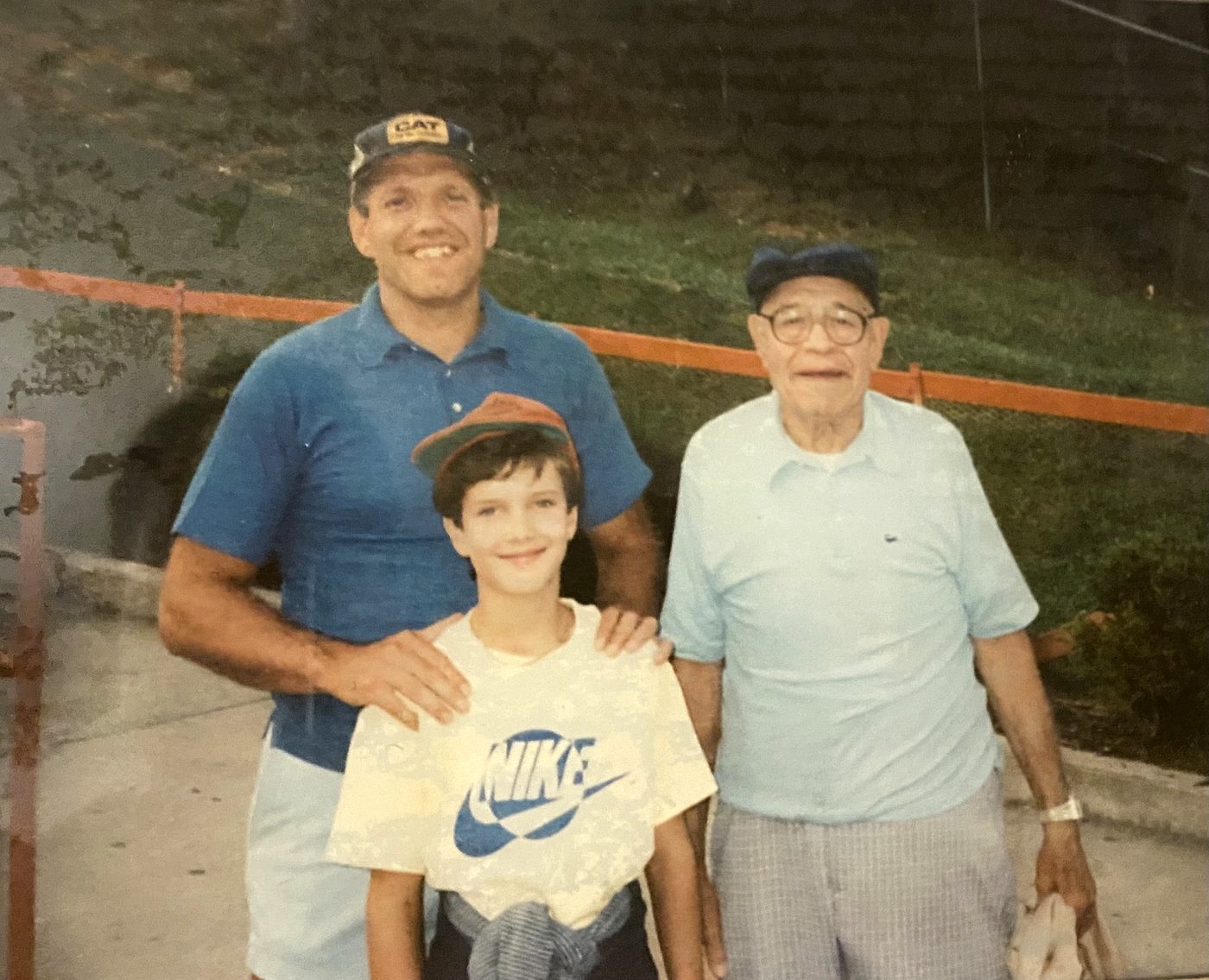
Three Generations at Bowen Field
That's me as a kid with my father and my grandfather outside Bowen Field, the old minor league ballpark in Bluefield where the Bluefield Orioles played.
Today the park around that field carries our family's name. The city named it Lotito Park after my grandfather. He spent his years giving to that town — and the town remembered.
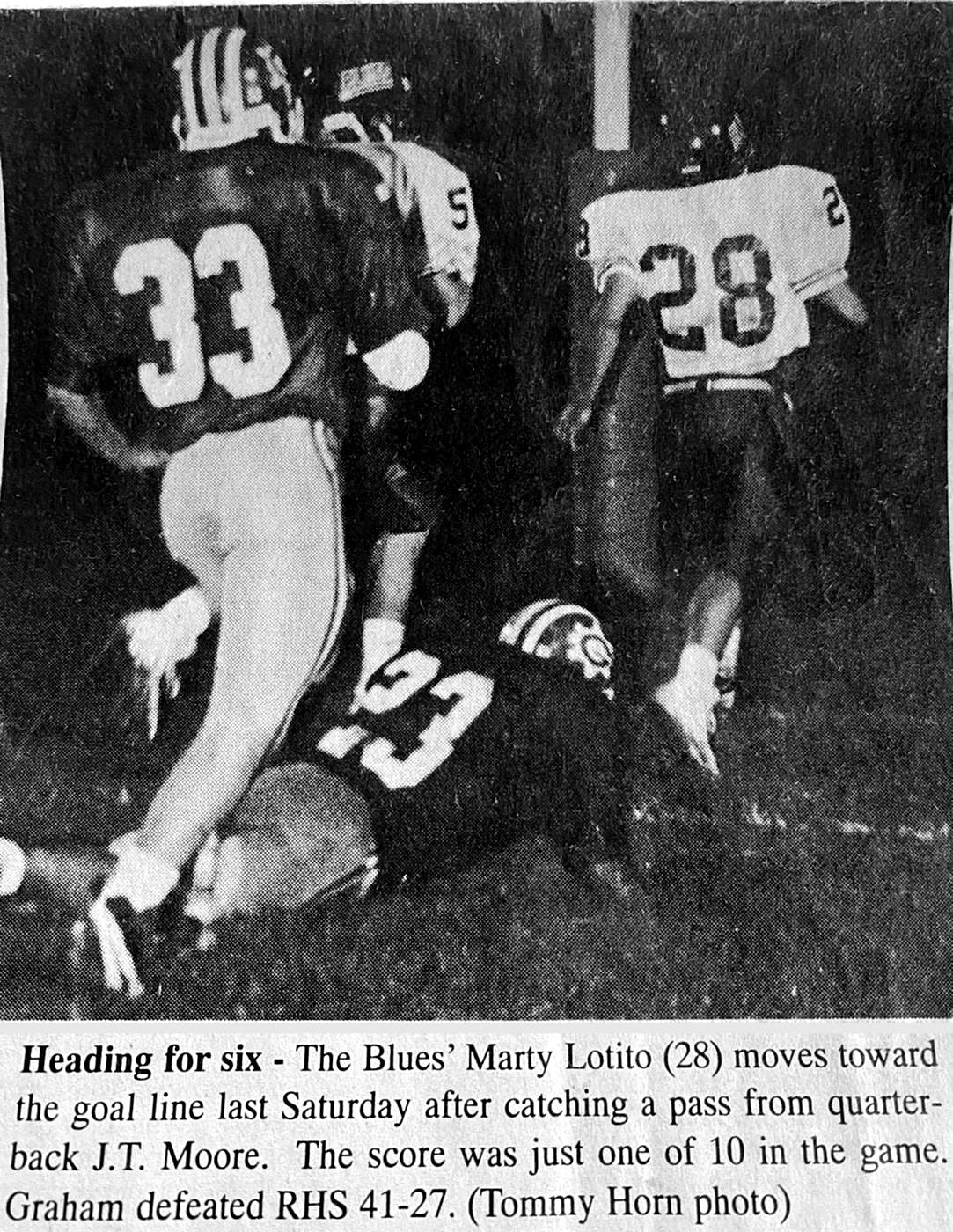
My Turn to Carry It
That's me, number 28, heading for the end zone at Mitchell Stadium — the same ground where my grandfather coached and my father played his own high school ball.
And Mitchell Stadium sits outside Lotito Park. Three generations of football on one piece of ground, and the park right beside it carries our name. That's the question behind everything we're building: what are you going to pass down with what you've been given?
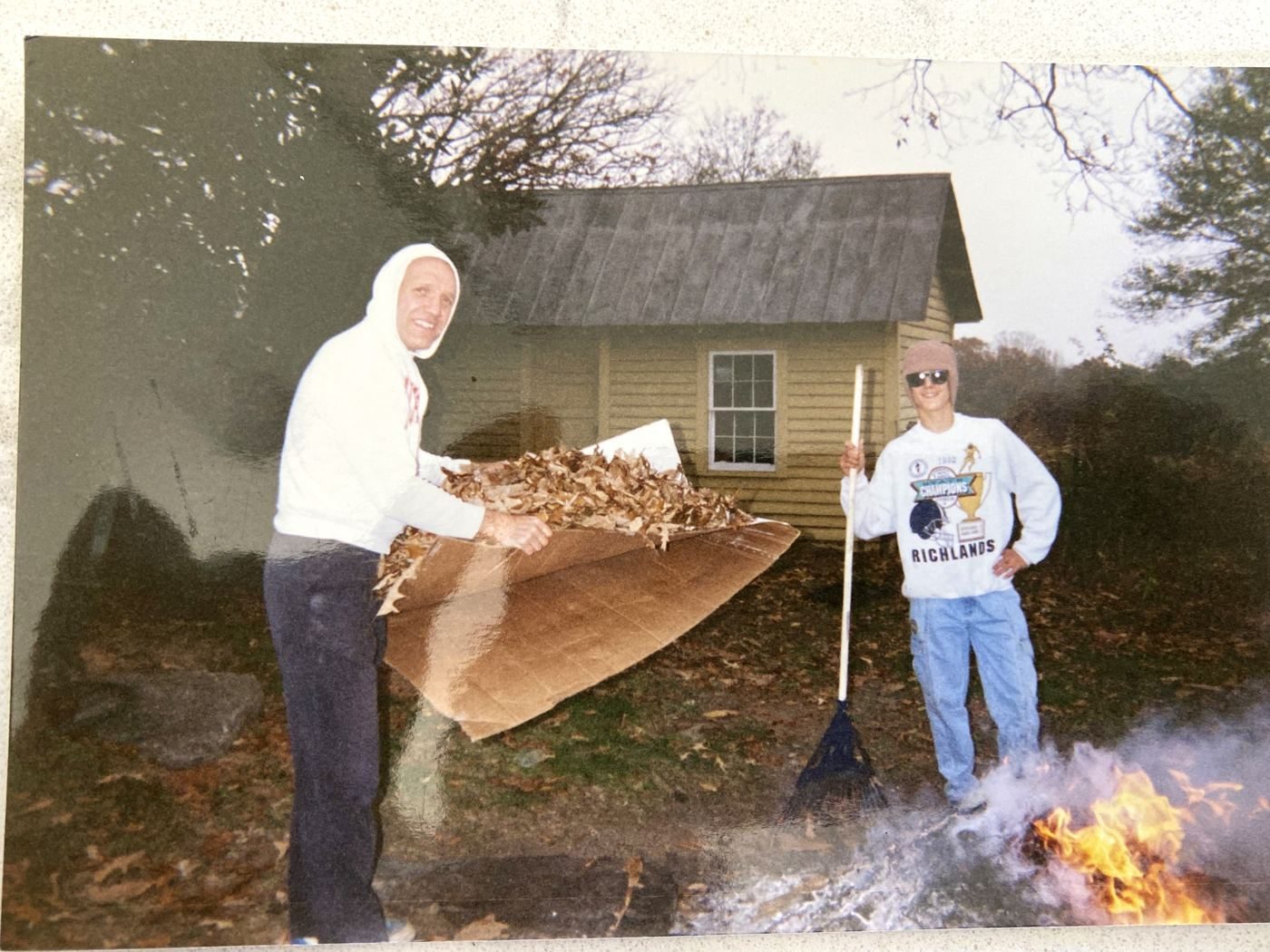
Working the Land Together
That's me and my dad working the land — when I was a kid at my grandmother's farmhouse, clearing brush, raking leaves, burning the pile down at the end of the day. It's the kind of work that ties you to a place, and makes you appreciate what you have.
That's the legacy that matters most: not the address, but showing up for the land and for each other.
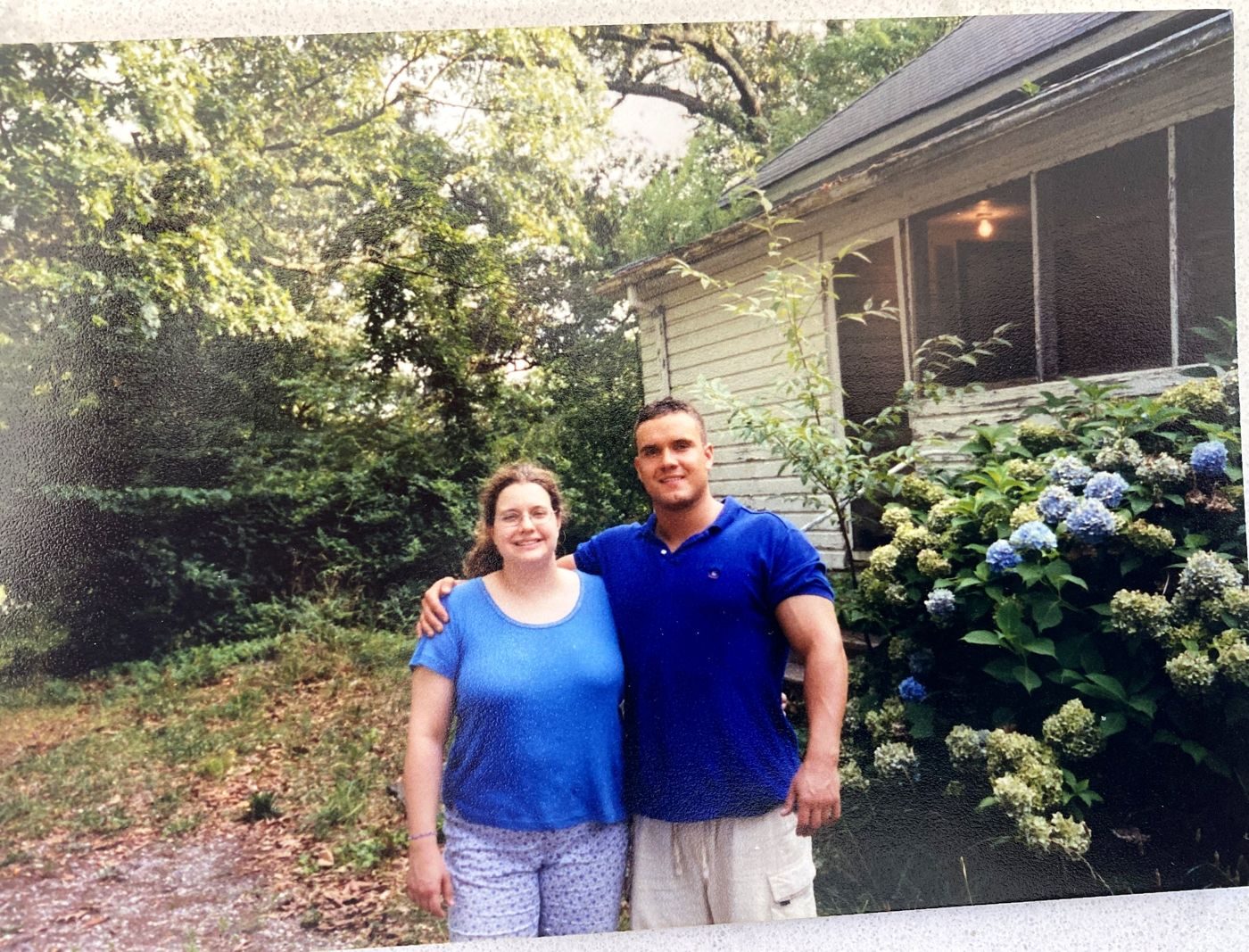
Summers on My Mother's Side
My grandparents lived in a farmhouse in Mauldin, South Carolina for generations — my great-grandmother's home, passed down to my grandmother. Cattle still grazed the land into my own childhood.
I spent summers there with my sister and our cousins, never imagining it would someday be gone.
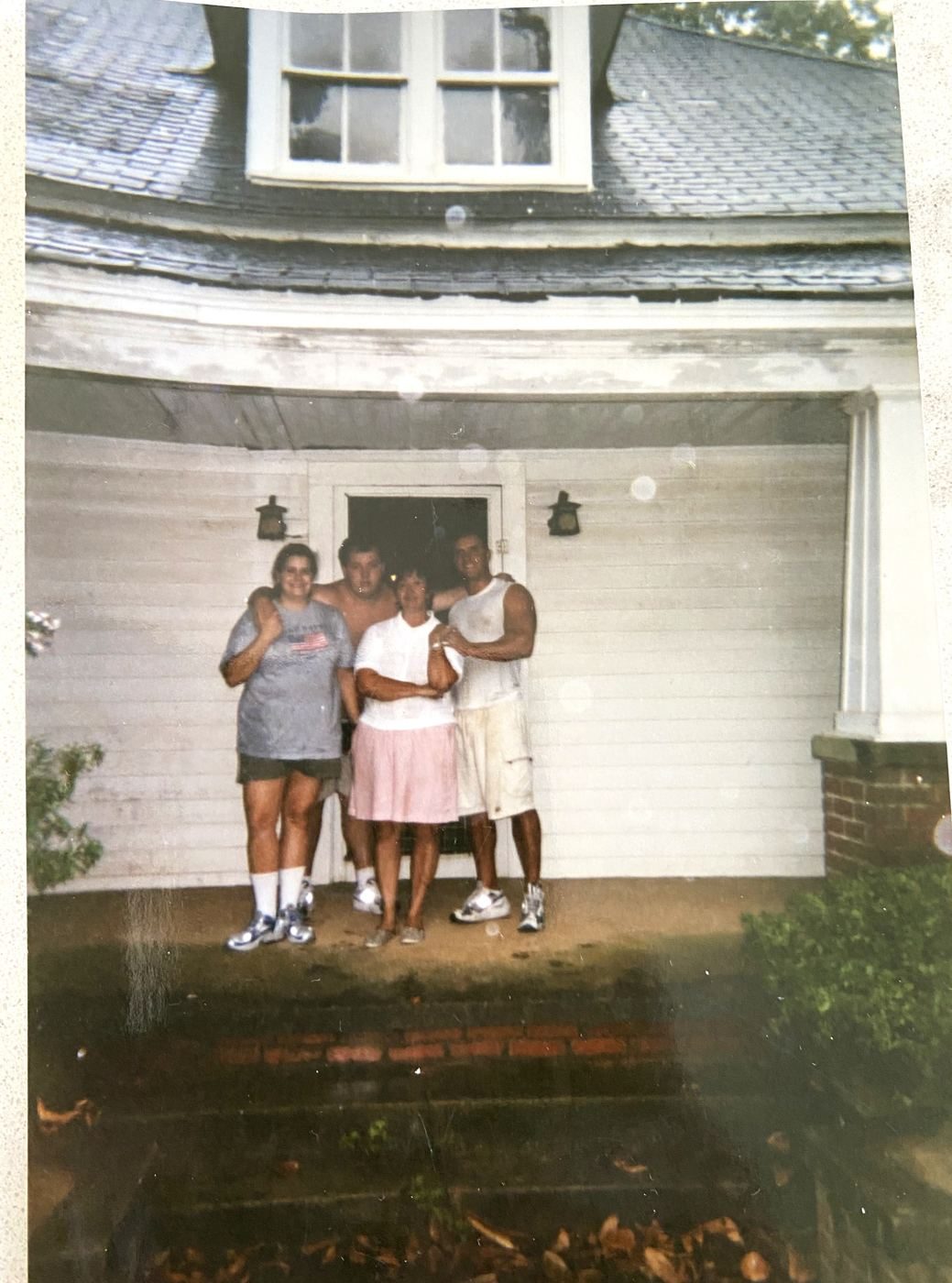
The Last Day
In 2001, the farmhouse and the land around it were sold and developed into townhomes. My mom didn't want to let it go. This photo — me, my mom who passed away in 2018, my sister, and her late husband — was taken on the porch the very last day we were there, as we packed up old antiques and memories.
It's one of the most important pictures in our family. You can still see it in my mom's face.
Where the Next Chapter Started
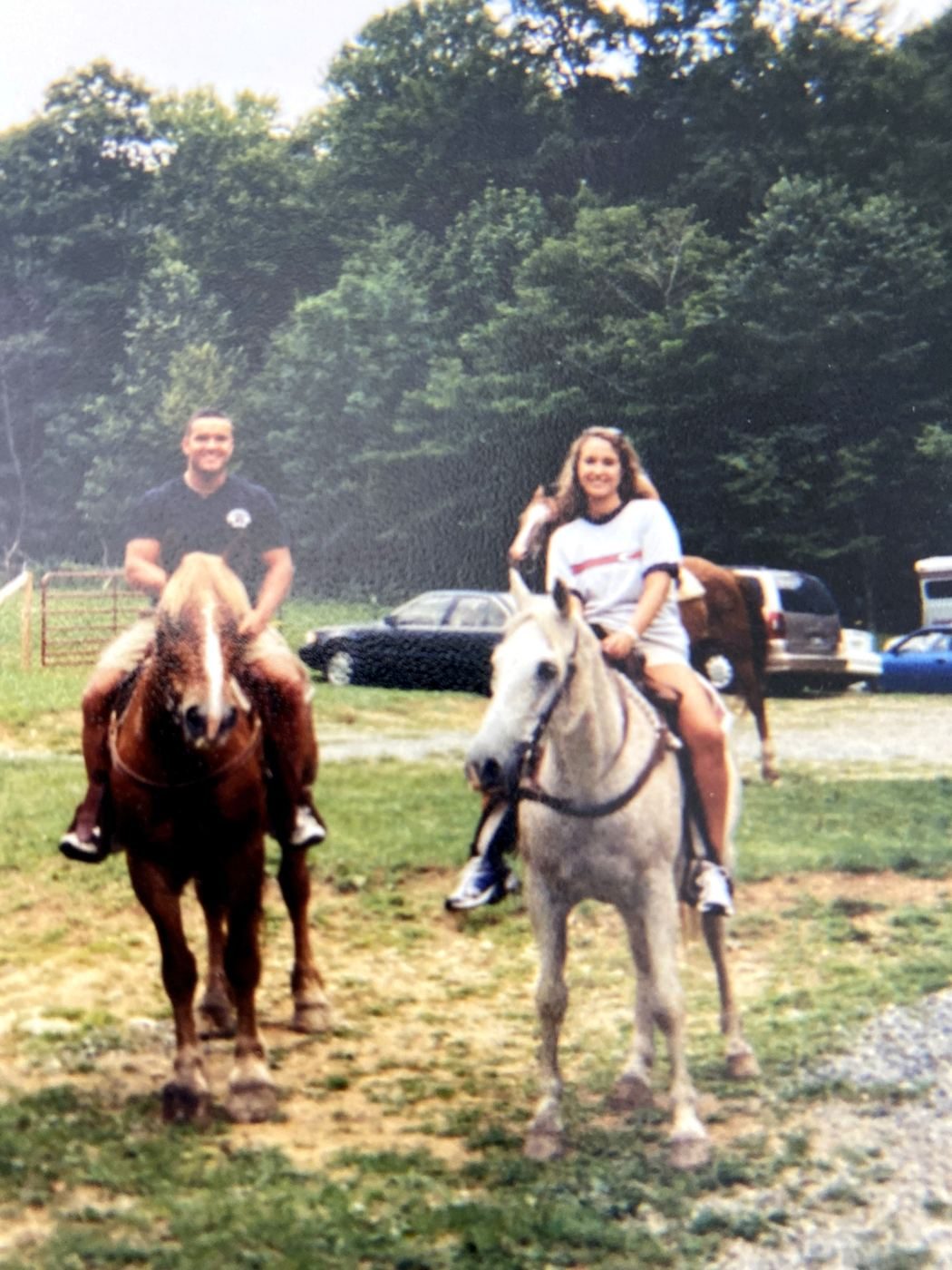
I met my wife Danielle at Appalachian State, in the mountains of Boone, North Carolina. We didn't know it yet, but the same faith, family, and freedom mentality that shaped both of us growing up would eventually become American Homesteads.
The Mountains I Grew Up In
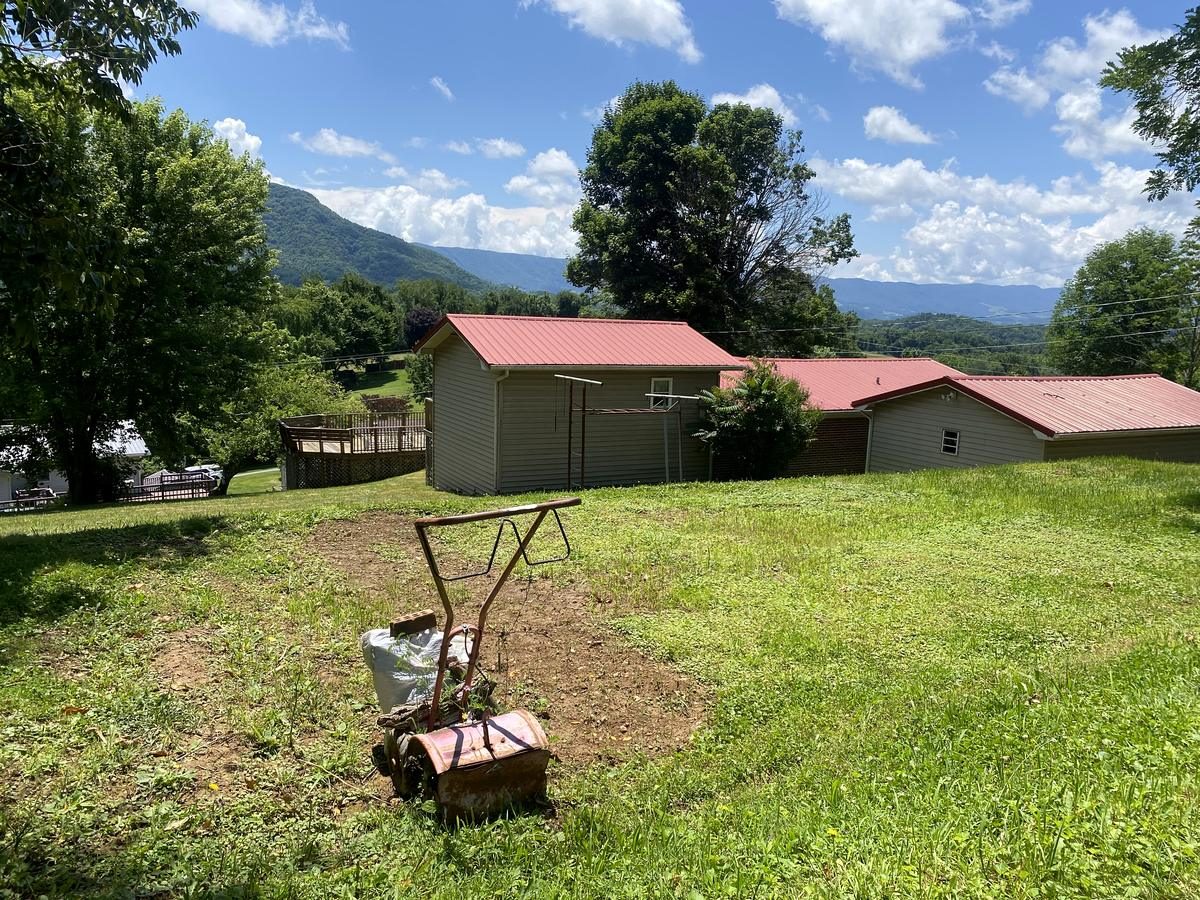
I grew up in Richlands, Virginia — Tazewell County, in the mountains of Southwest Virginia. That's the view from our back yard garden. The mountains were everywhere you looked.
Just over the ridge sits Burke's Garden, the highest valley in Virginia. The story goes that George Vanderbilt wanted to build the Biltmore there, but the farm families wouldn't sell him the land. That's the kind of place that raised me — people who knew what they had.
The Same Swingset
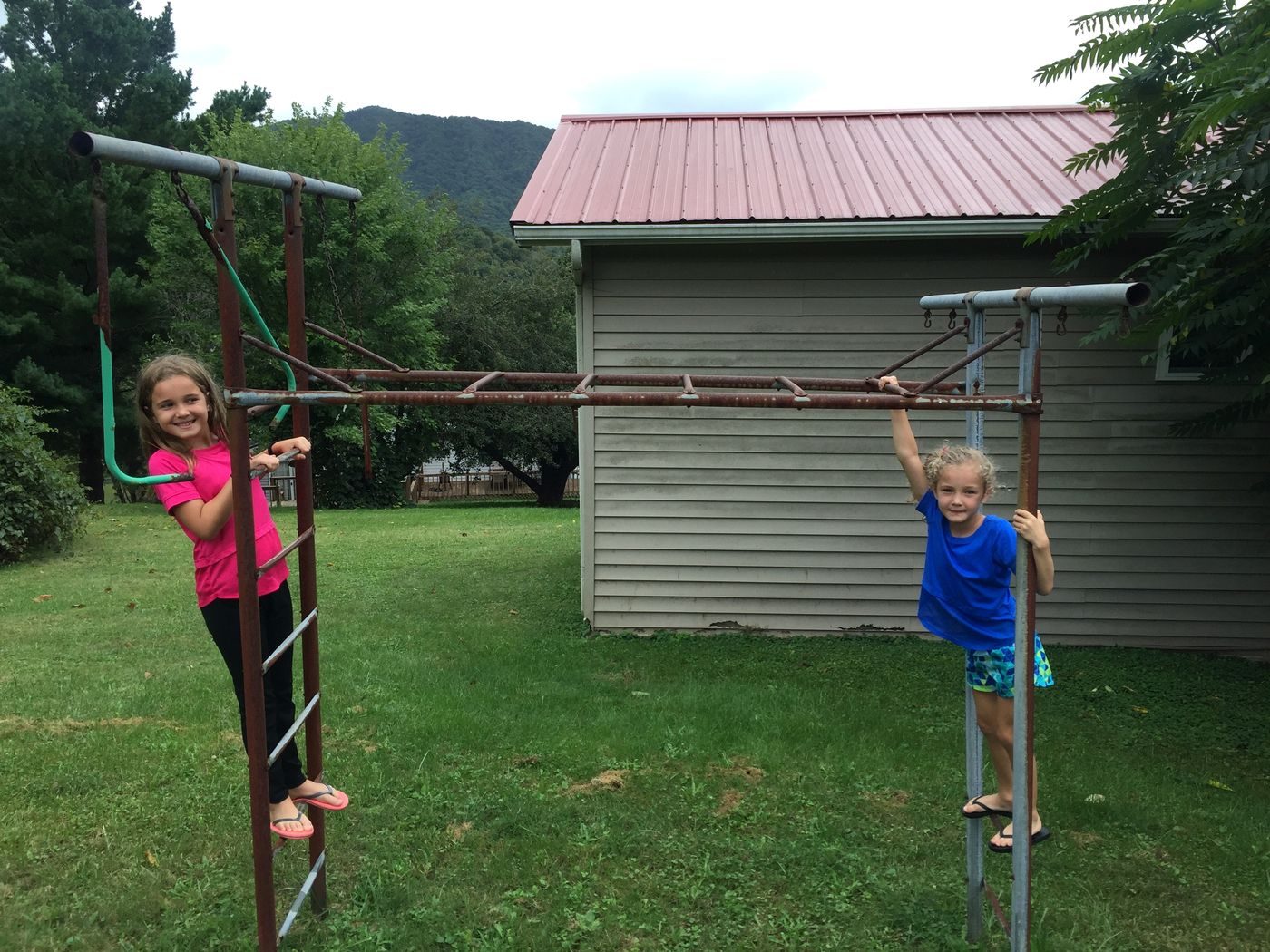
This picture was taken in 2018 at the house I grew up in, when I headed back home after I had found out my mom had passed away. My daughters climbed on the same swingset I played on as a kid — the old garden ground right behind them.
That's what this whole thing is for. To remember the past and work hard to help the next generation have something worth standing on.
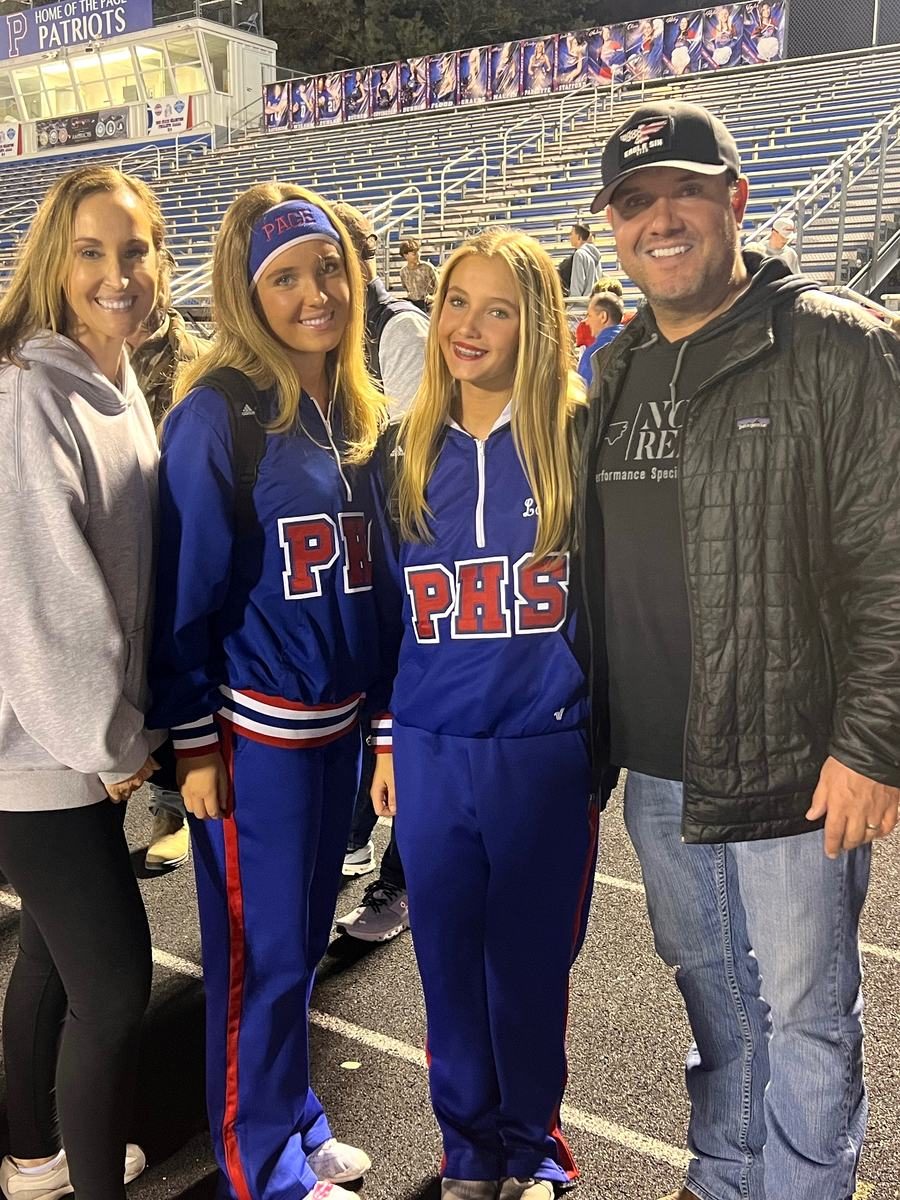
Marty Business Development·Danielle Customer ServiceLakyn Brand Ambassador·London Digital Content Creator
Still Under Friday Night Lights
That's us — Danielle and me with Lakyn and London at a Friday night football game in Franklin, Tennessee, where both girls cheer. My wife and I have now been married for over 20 years. Nearly a hundred years after my grandfather sat on that Emory & Henry bench, this family is still at the stadium.
And the four of us are building American Homesteads together. It's the same thing every generation before us did — take what you've been given, work hard to make it better, and pass it forward.